
Fighting For Freedom
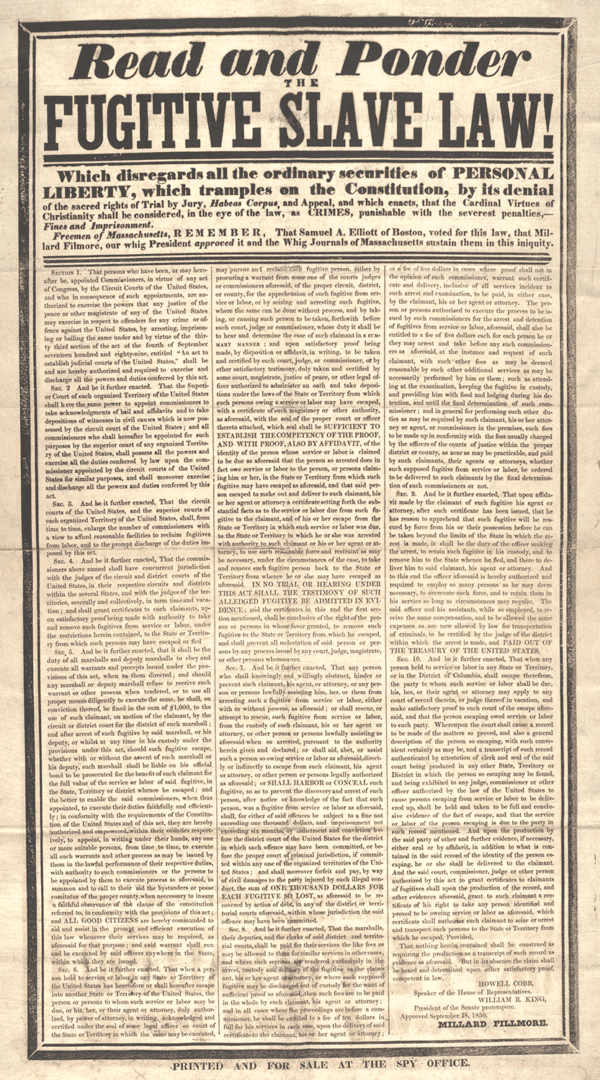
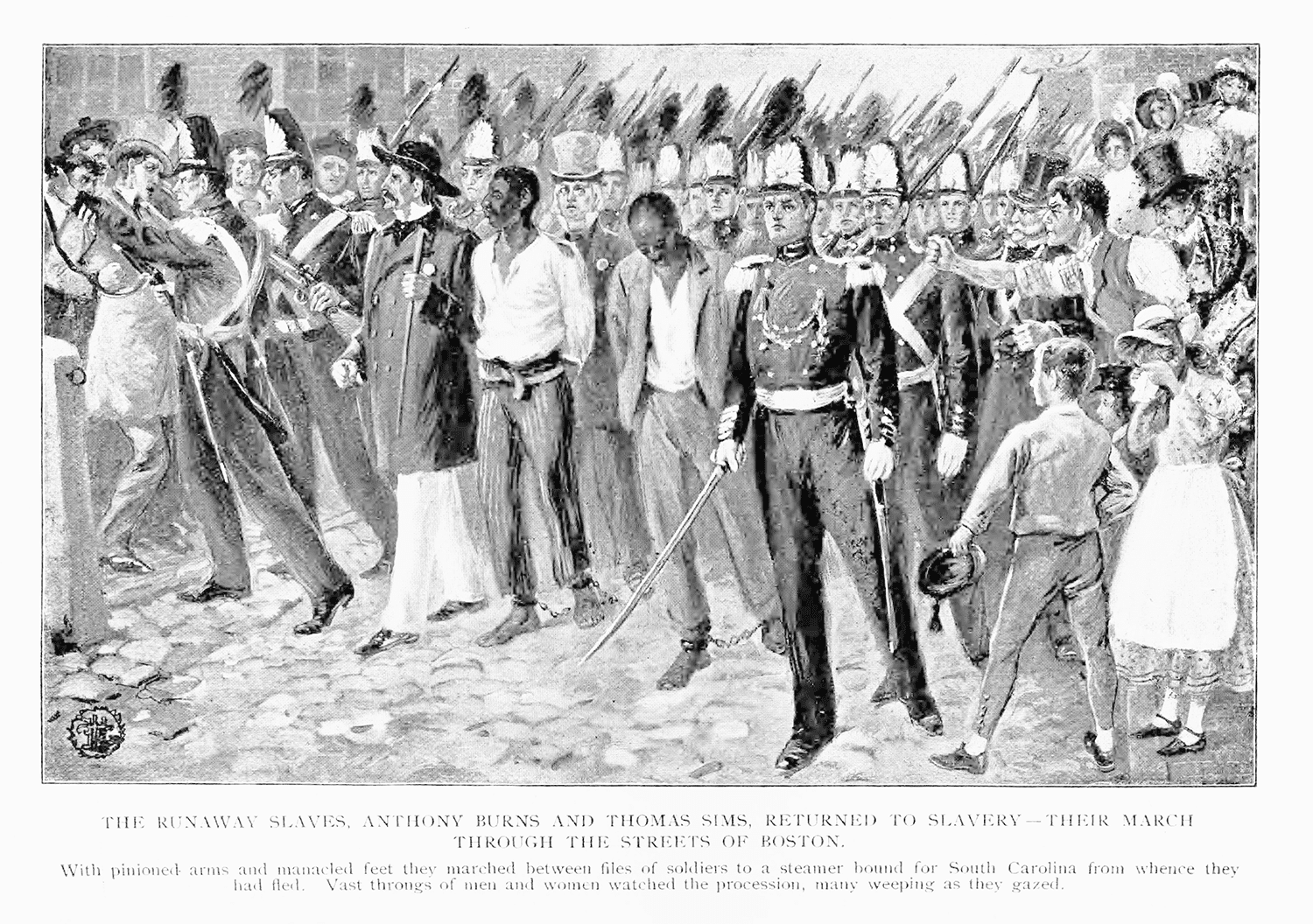
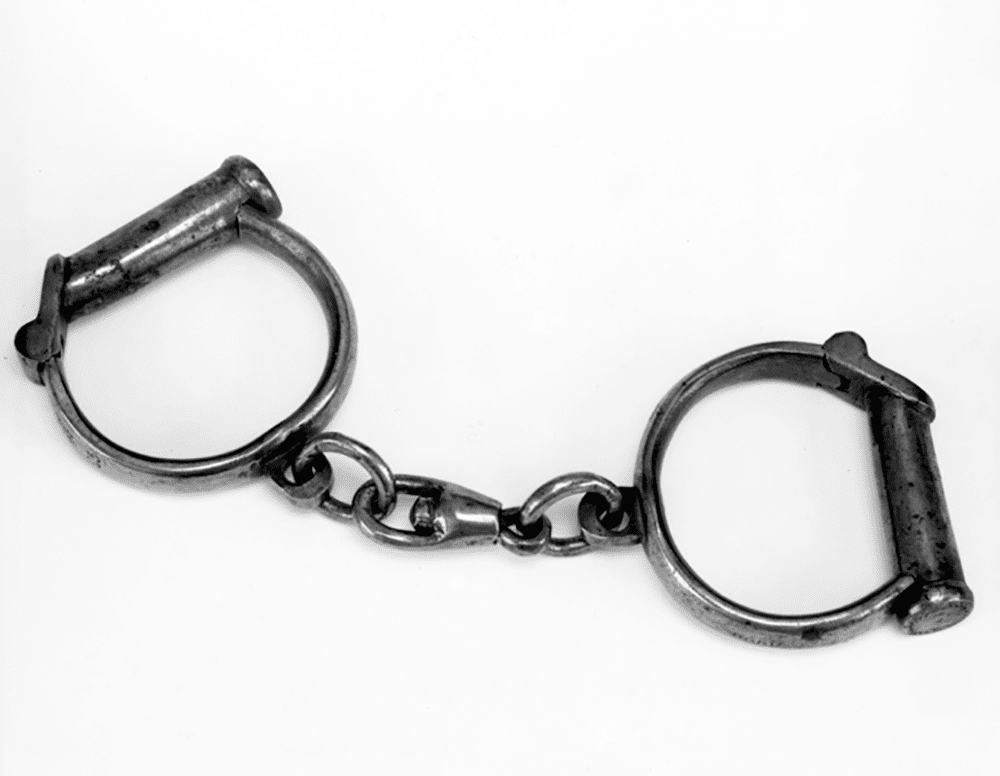
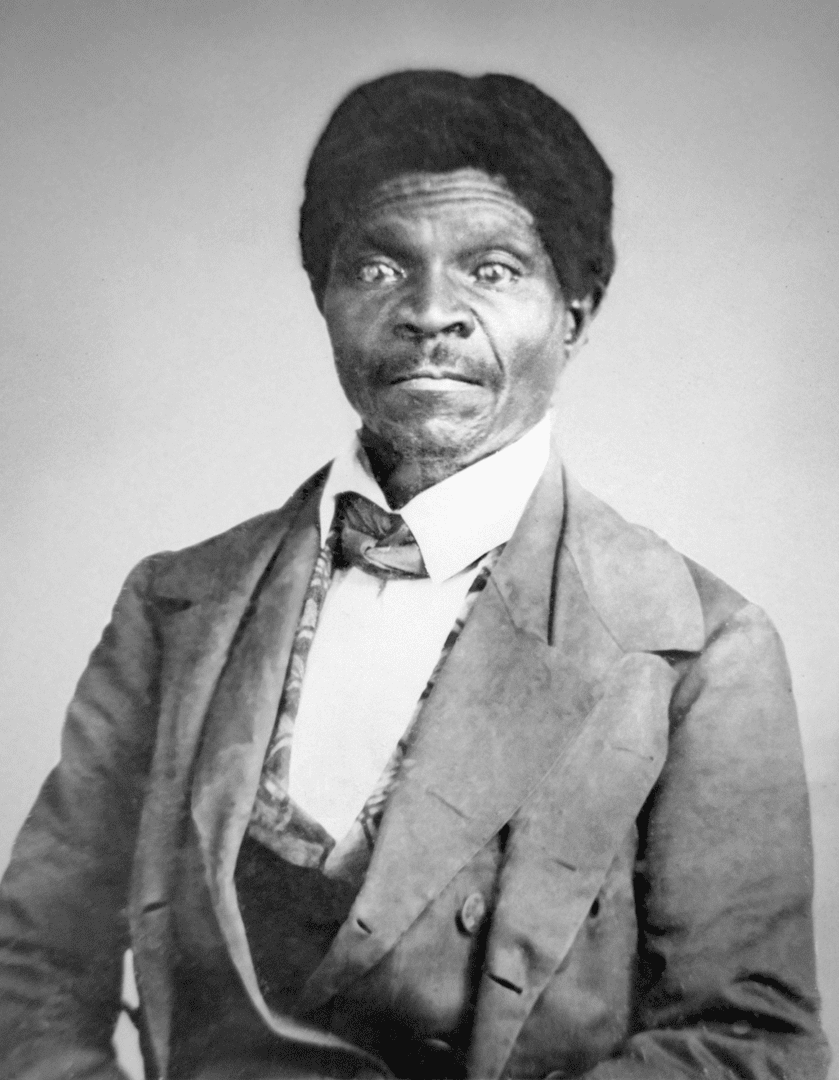
By the mid-19th century, new federal laws and Supreme Court decisions tightened slavery’s grip on the nation. Across the United States, the future of slavery was hotly debated, and soon the nation was embroiled in the Civil War.
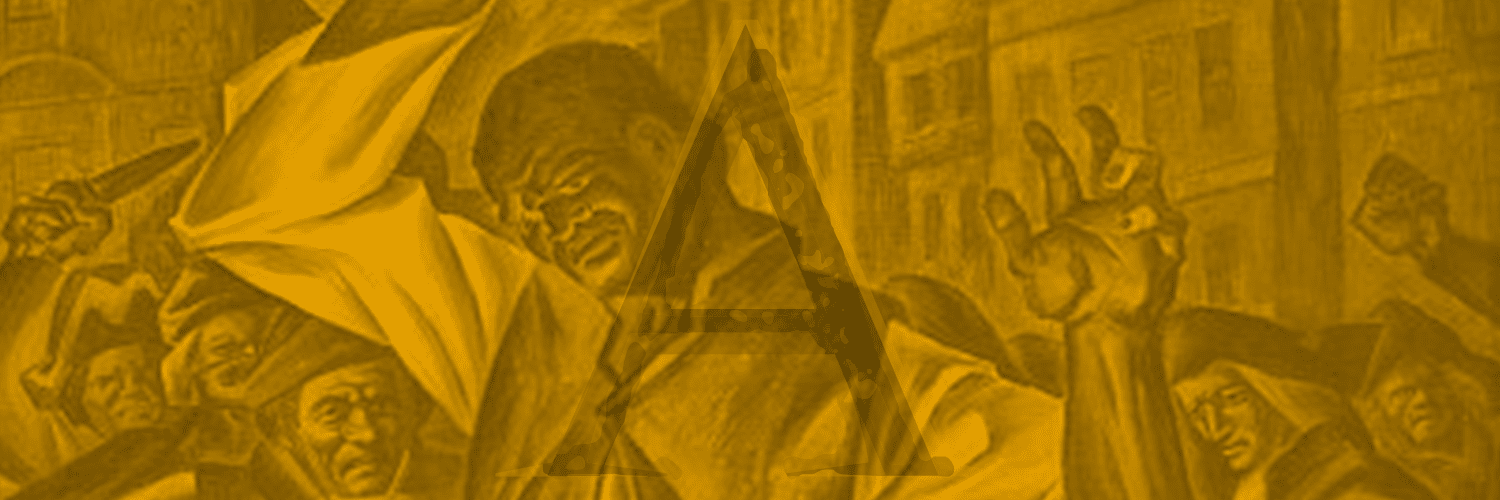
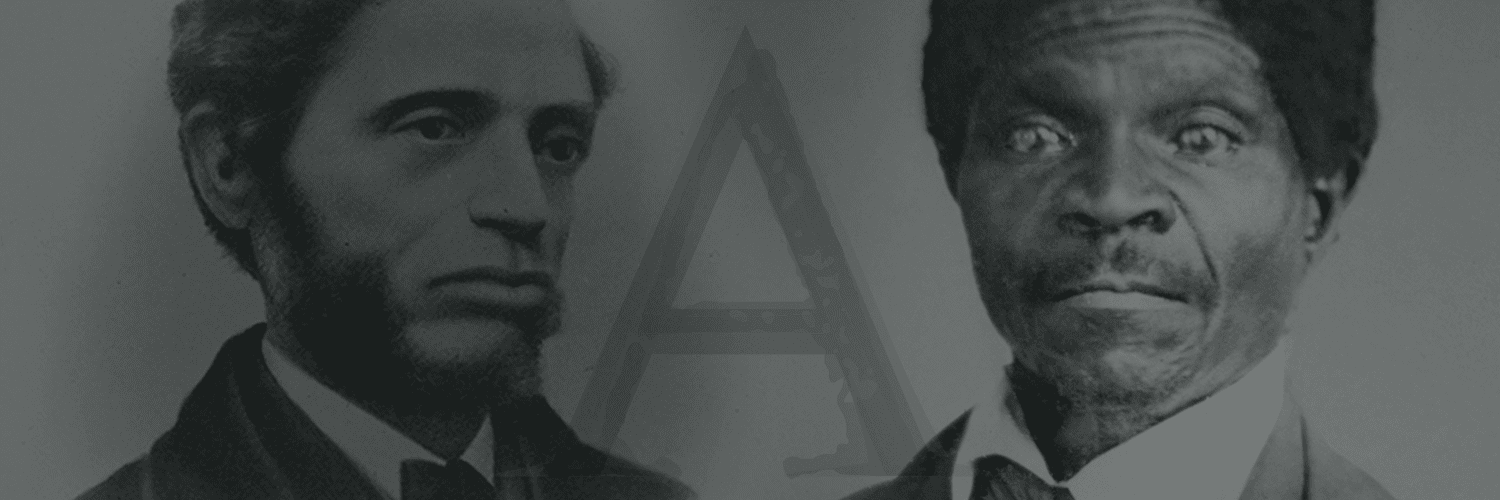
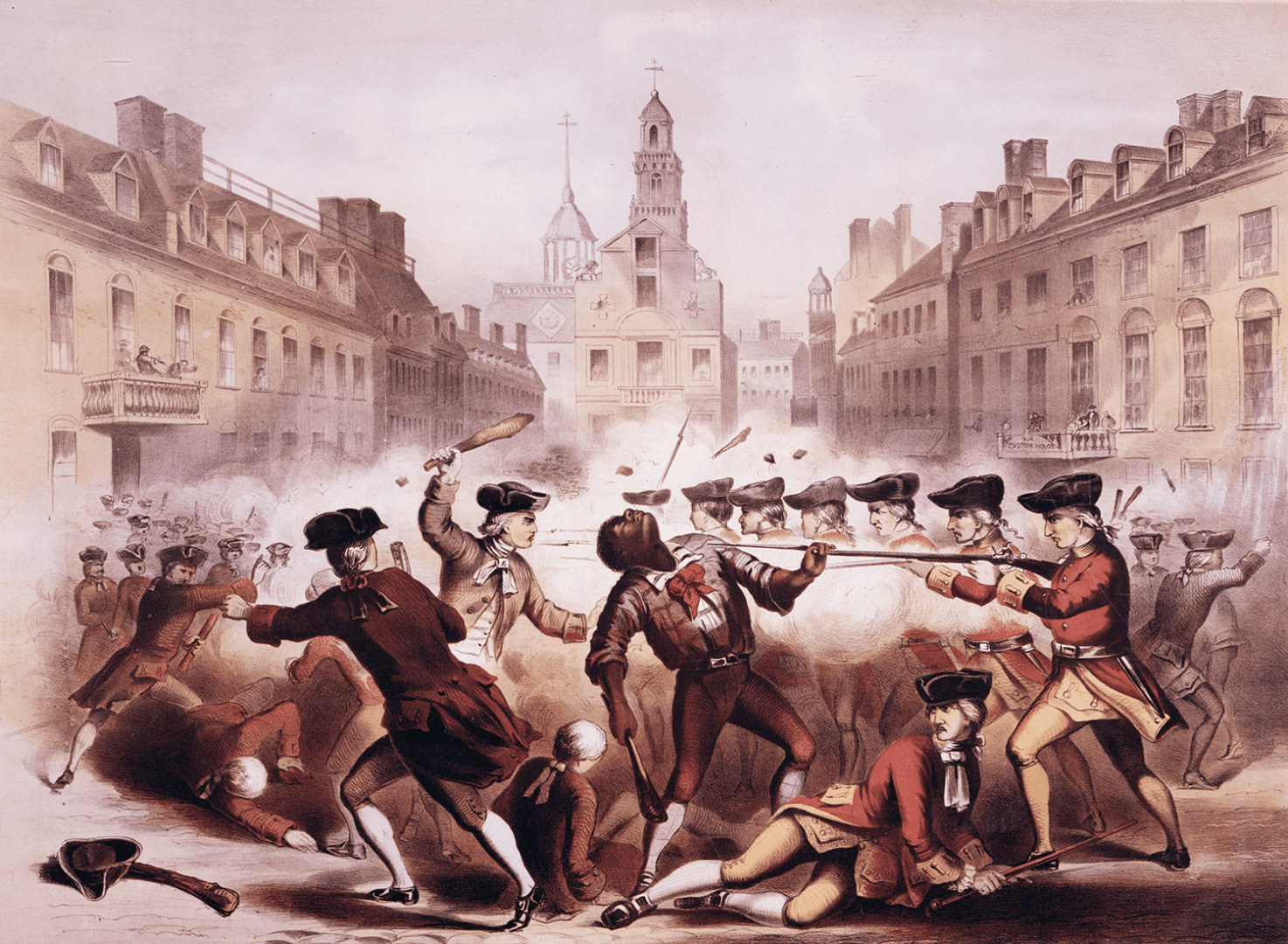
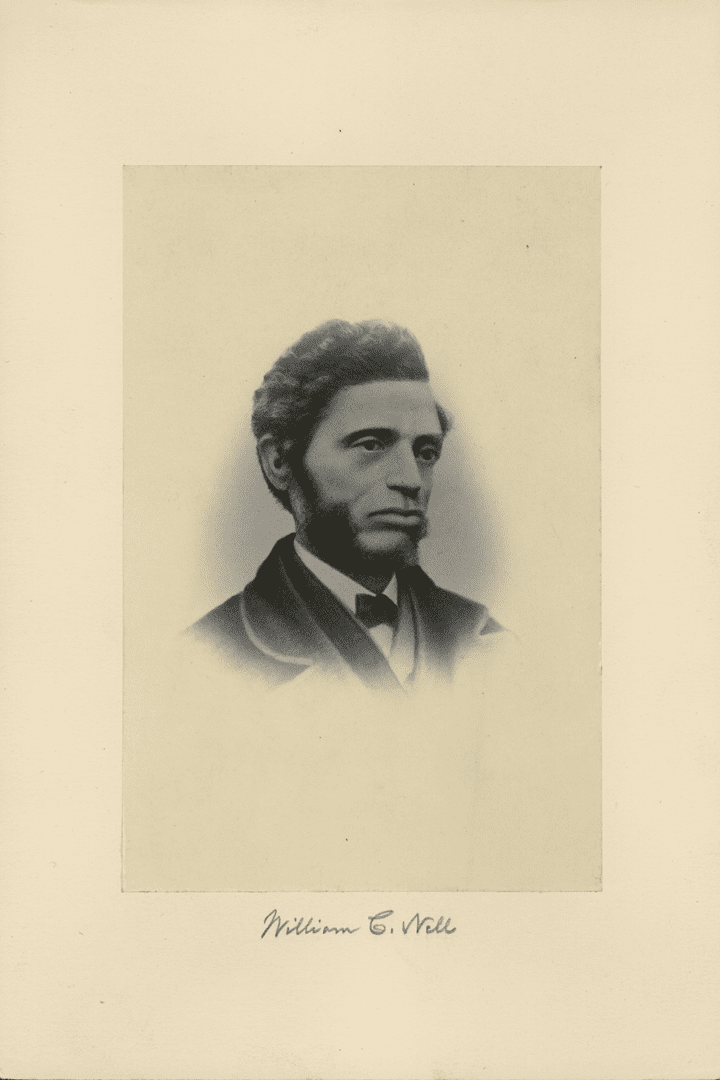
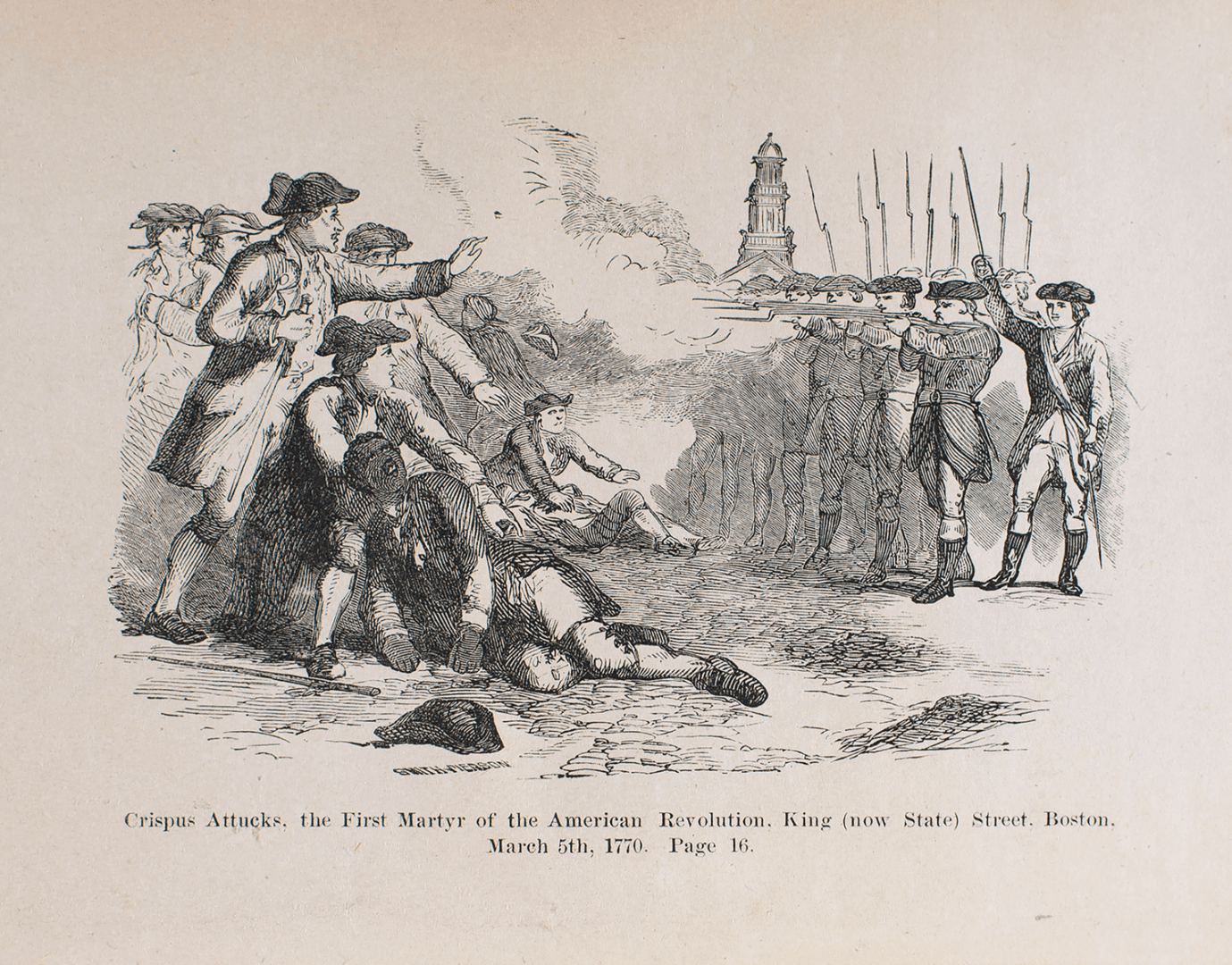
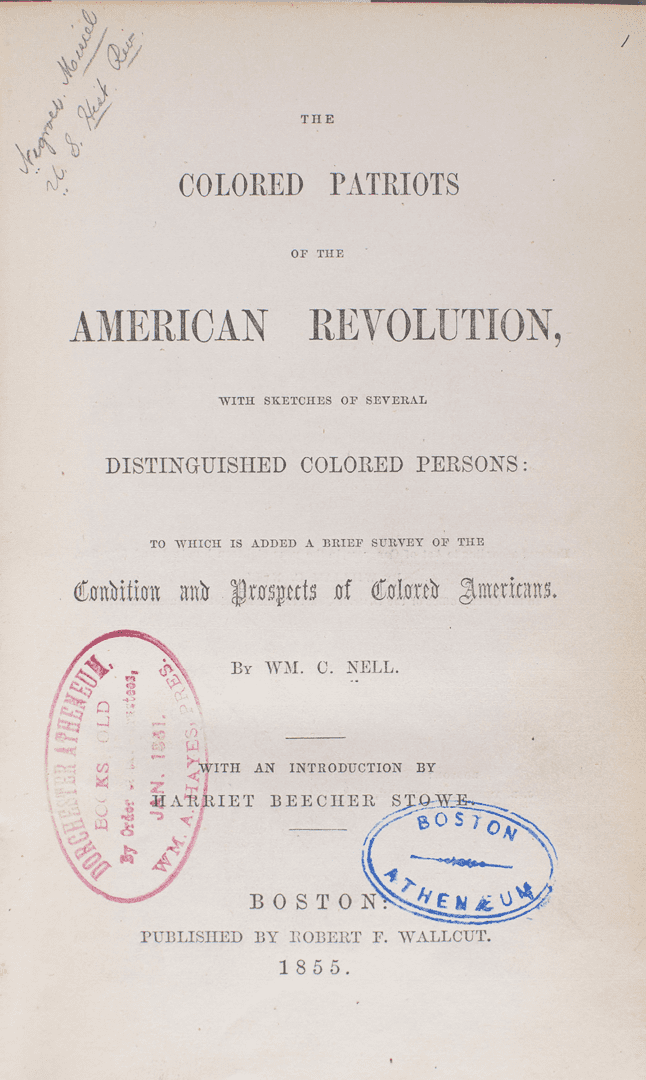
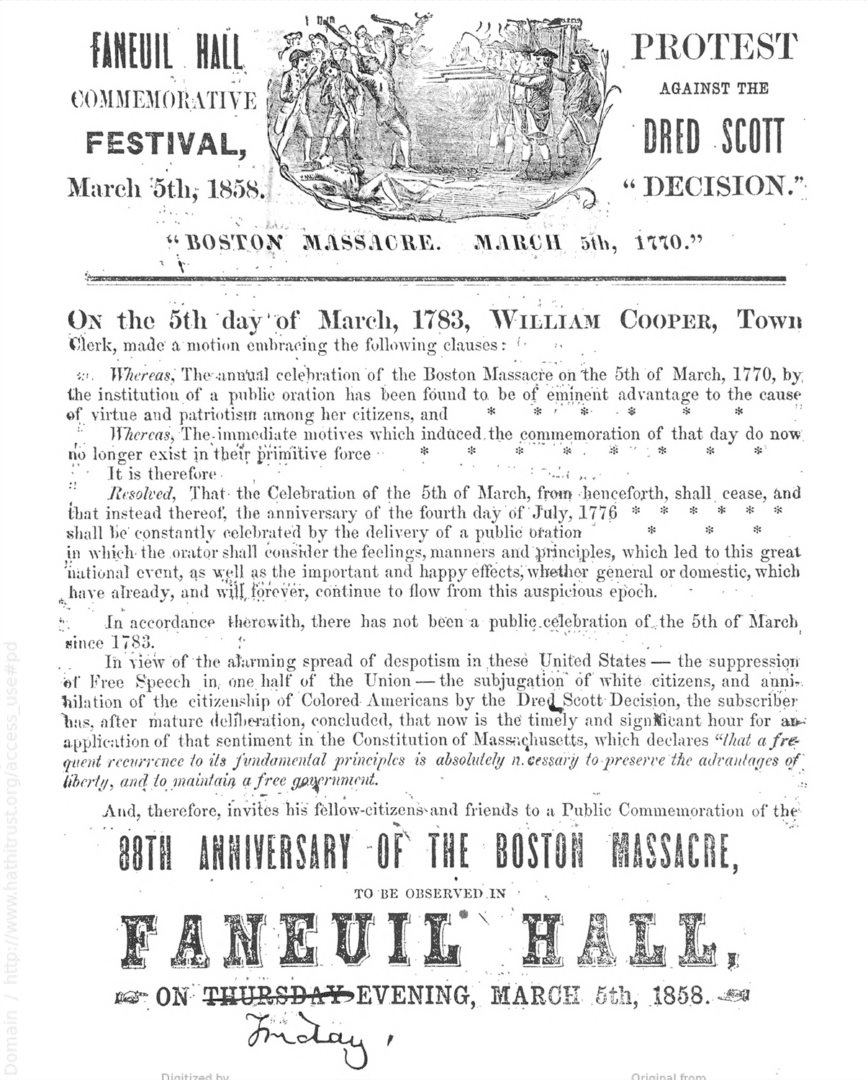
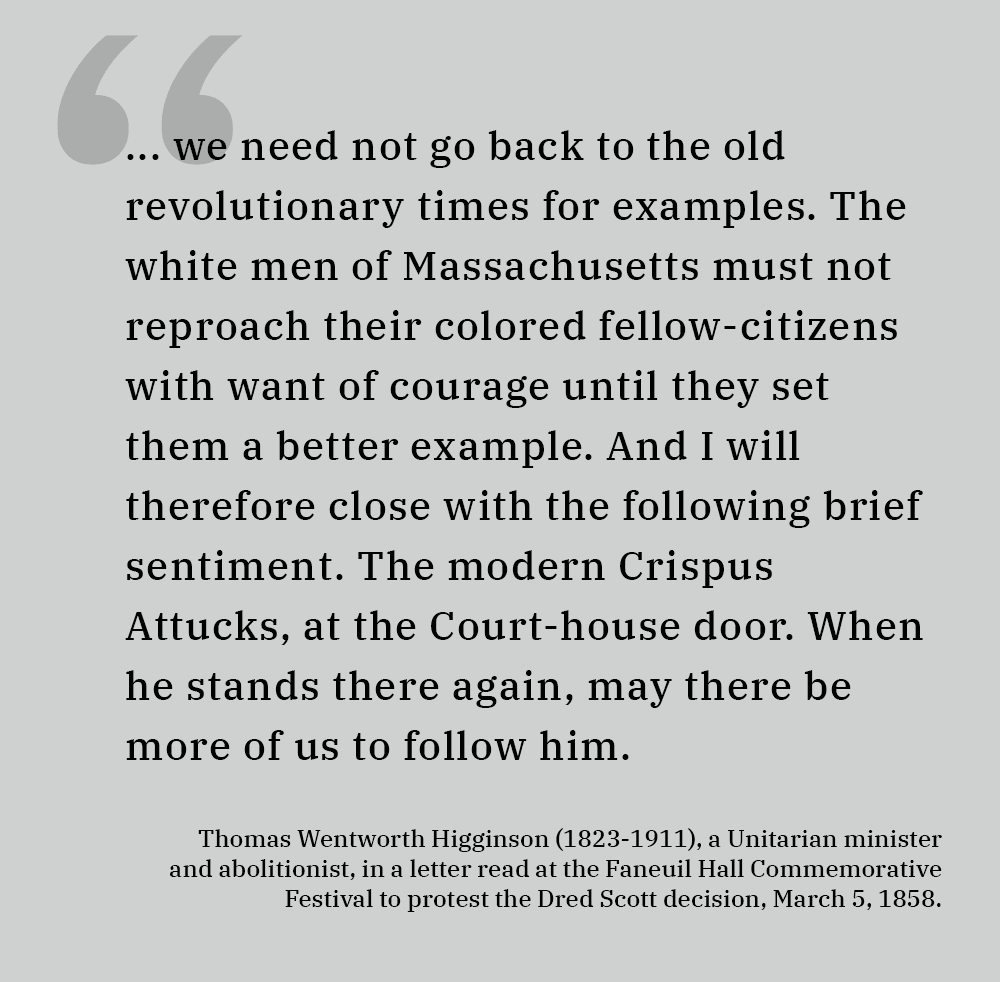
In Boston, William Cooper Nell (1816-1874) and other abolitionists revived Crispus Attucks’s legacy in their fight to end slavery. They presented Attucks as the first martyr of the Revolution who died fighting for liberty. The image resonated powerfully in a nation that placed millions of African Americans in bondage despite its stated ideal of freedom.
Digital Exclusive
More in This Section
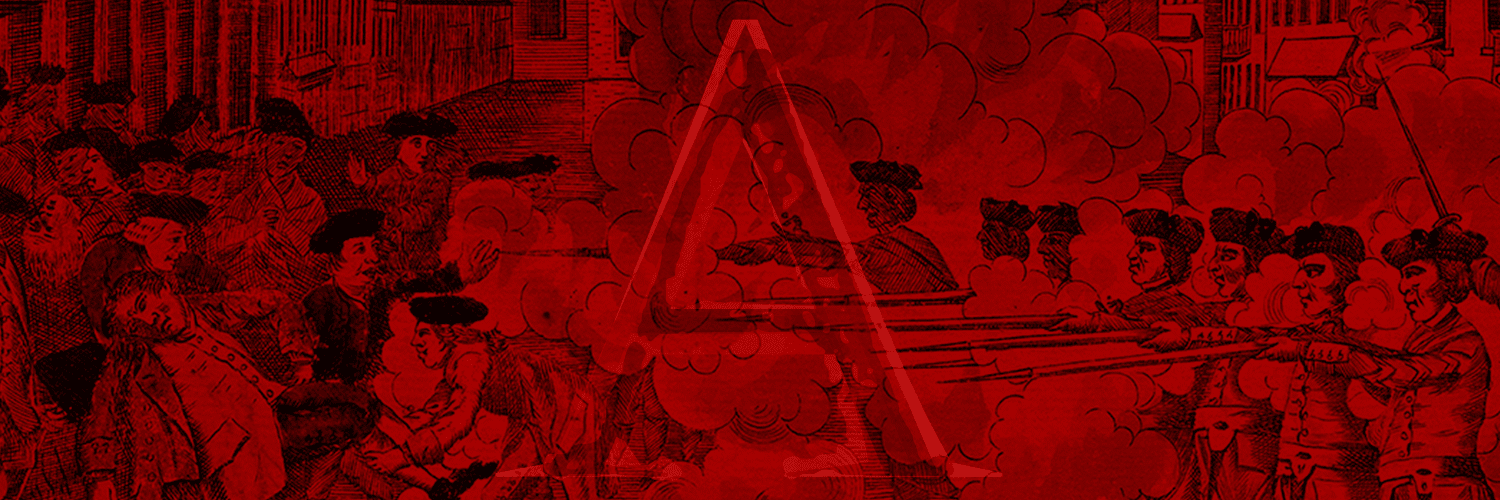
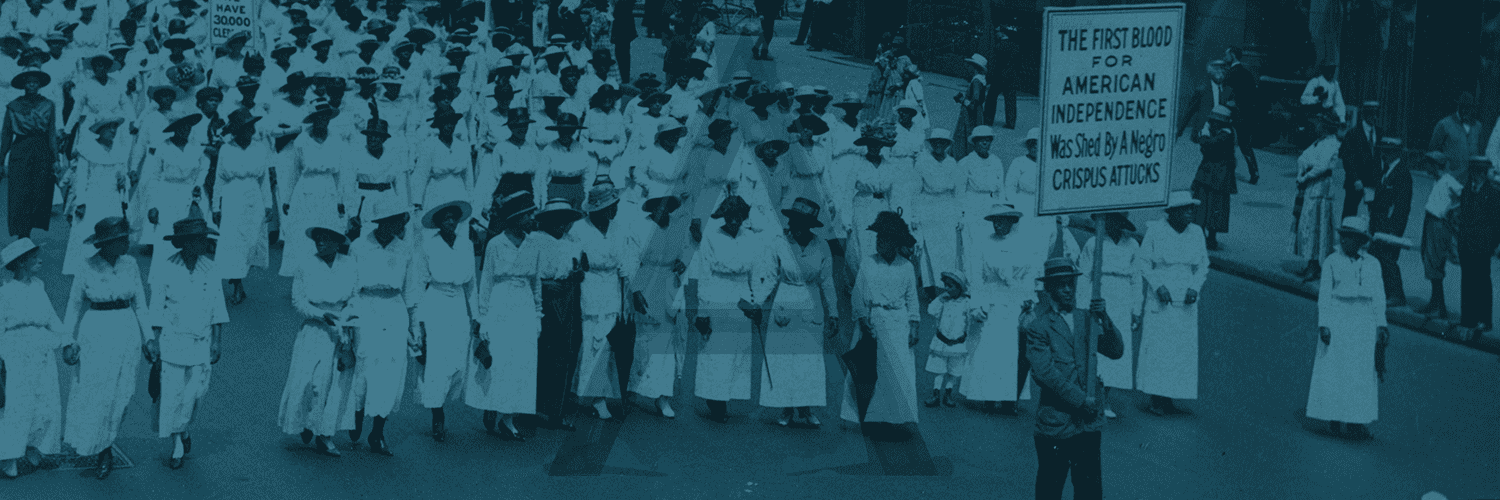

Exhibit Sections