


An Interview with the Director of Museum Operations & Experience at Revolutionary Spaces
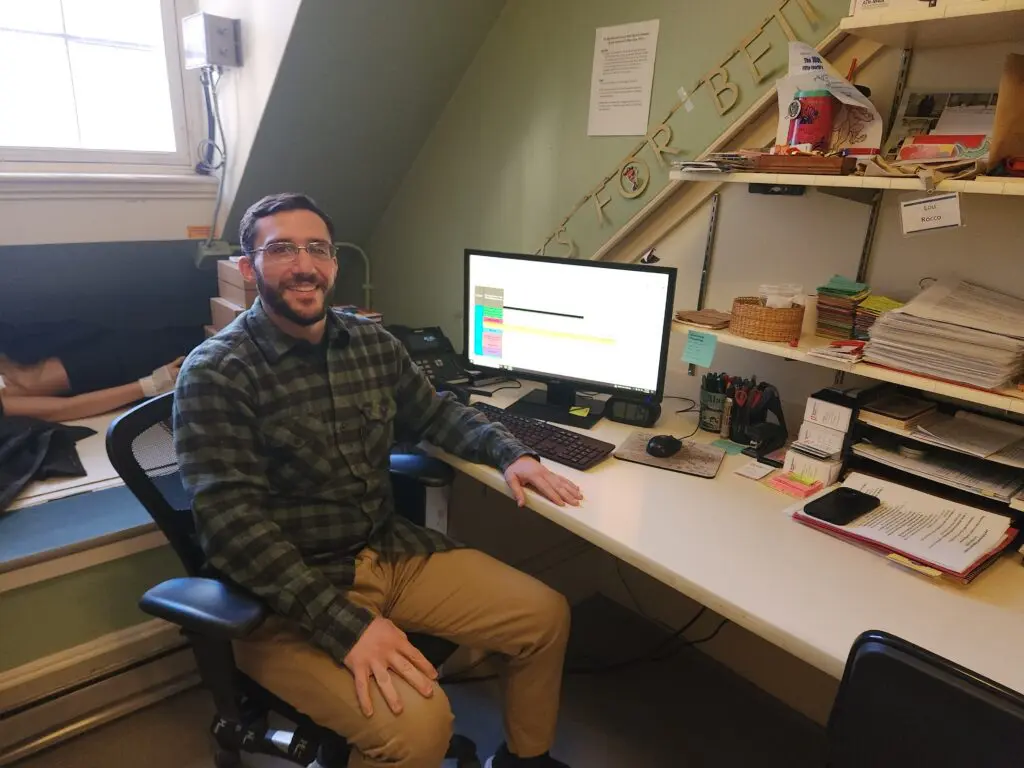
Interview by Sam Weinberg, Marketing Coordinator
Published: April 2026
Have you ever wondered what museum employees do all day? Surely there can’t be that much involved, right? We sat down with Lou Rocco, Revolutionary Spaces’ Director of Museum Operations & Experience, to offer a behind-the-scenes look at what it takes to run the Old State House and Old South Meeting House on a daily basis. Explore our conversation where he provides insight into where interpretation begins, shares what climbing the ladder can look like, and even offers advice for those interested in entering the museum field.
Would you like to introduce yourself?
Yes, my name is Lou Rocco and I am the Director of Museum Operations & Experience at Revolutionary Spaces. I am responsible for all things museum during our regular operating hours, from our wonderful Visitor Experience (VX) Staff to more operational matters like openings, closings, security, accessibility, and safety.
So on a day-to-day basis, what are you usually doing? I imagine you don’t have the bandwidth to be on the floor all the time given the many responsibilities you have.
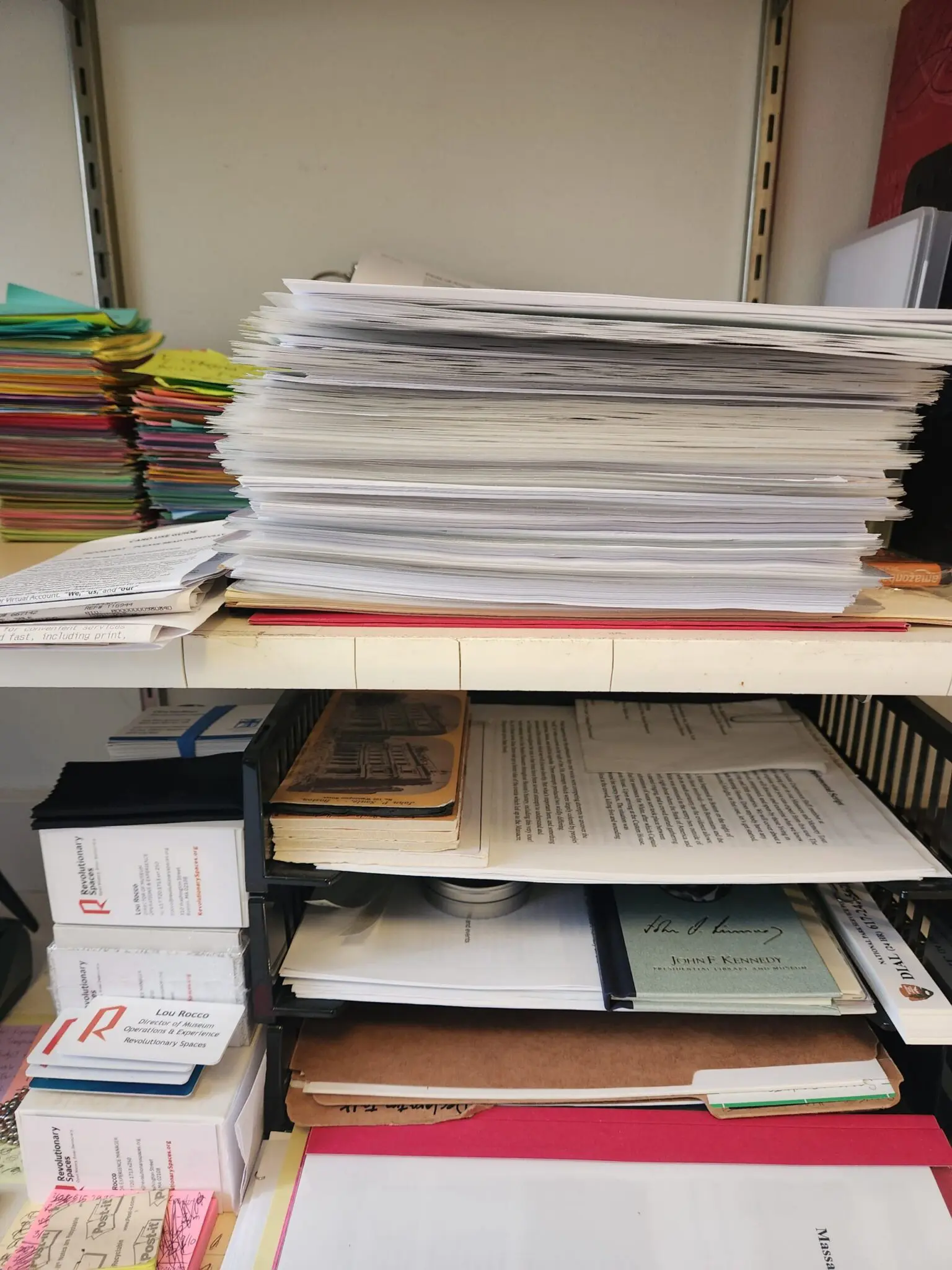
Yes. Unfortunately, since I’ve assumed my Director title, my time on the floor has become frustratingly fleeting. But, I am more responsible for big picture visitor experience matters, from coordinating and scheduling training for our staff to exploring new partnerships and opportunities for collaboration with other organizations. A lot of it is administrative and making sure the wheels stay on. It can be a little dry at times, but as I’ve learned in my time in this position, it is also incredibly essential that there are folks in this role to make sure that those administrative tasks are being done and that the bureaucracy is as efficient as possible.
Despite the occasional dryness, is there anything you particularly enjoy about your job?
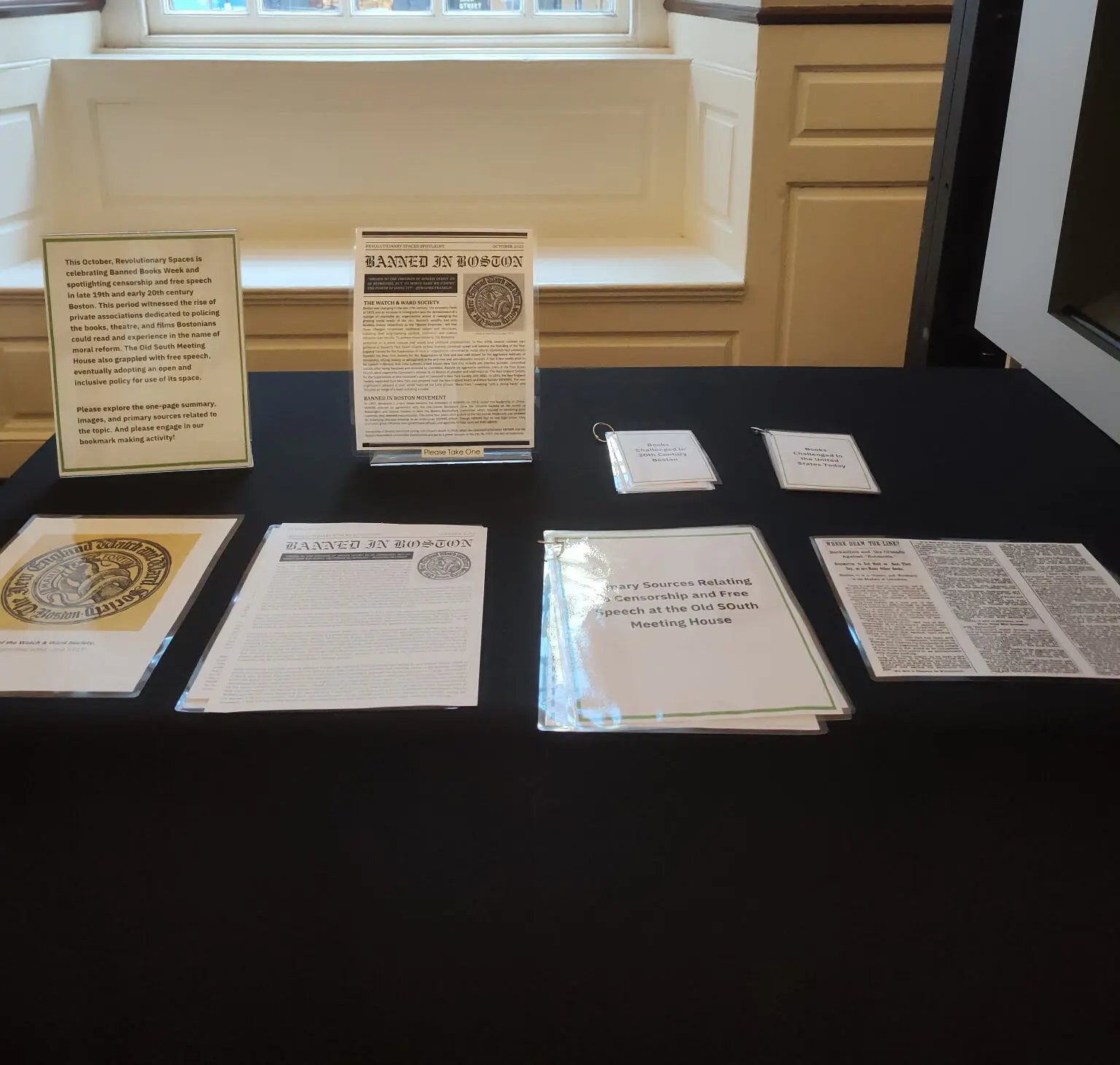
Oh, yes. So throughout my time at Revolutionary Spaces, including in my current position, I’ve always deeply enjoyed the opportunities I’ve had to mentor staff. When I started as the Visitor Experience Manager in 2021, this included directly mentoring the entire VX Staff and helping them grow where they wanted to grow. In my current position, I still get to do that to a degree, but I also focus on mentoring and developing the manager-level staff who report to me. So I’d say mentoring is something I really enjoy in my position. And I do occasionally get the opportunity to develop interpretive products. We have a wonderful Monthly Spotlight Series where we feature a different person or event or object every month at one or both of our two sites. That is a project that I launched about a year ago and have written most of its installments. So when I do get into interpretive content, I also still very much enjoy it.
Would you say this monthly spotlight is your proudest achievement, or is there something else you’ve worked on in your time here?
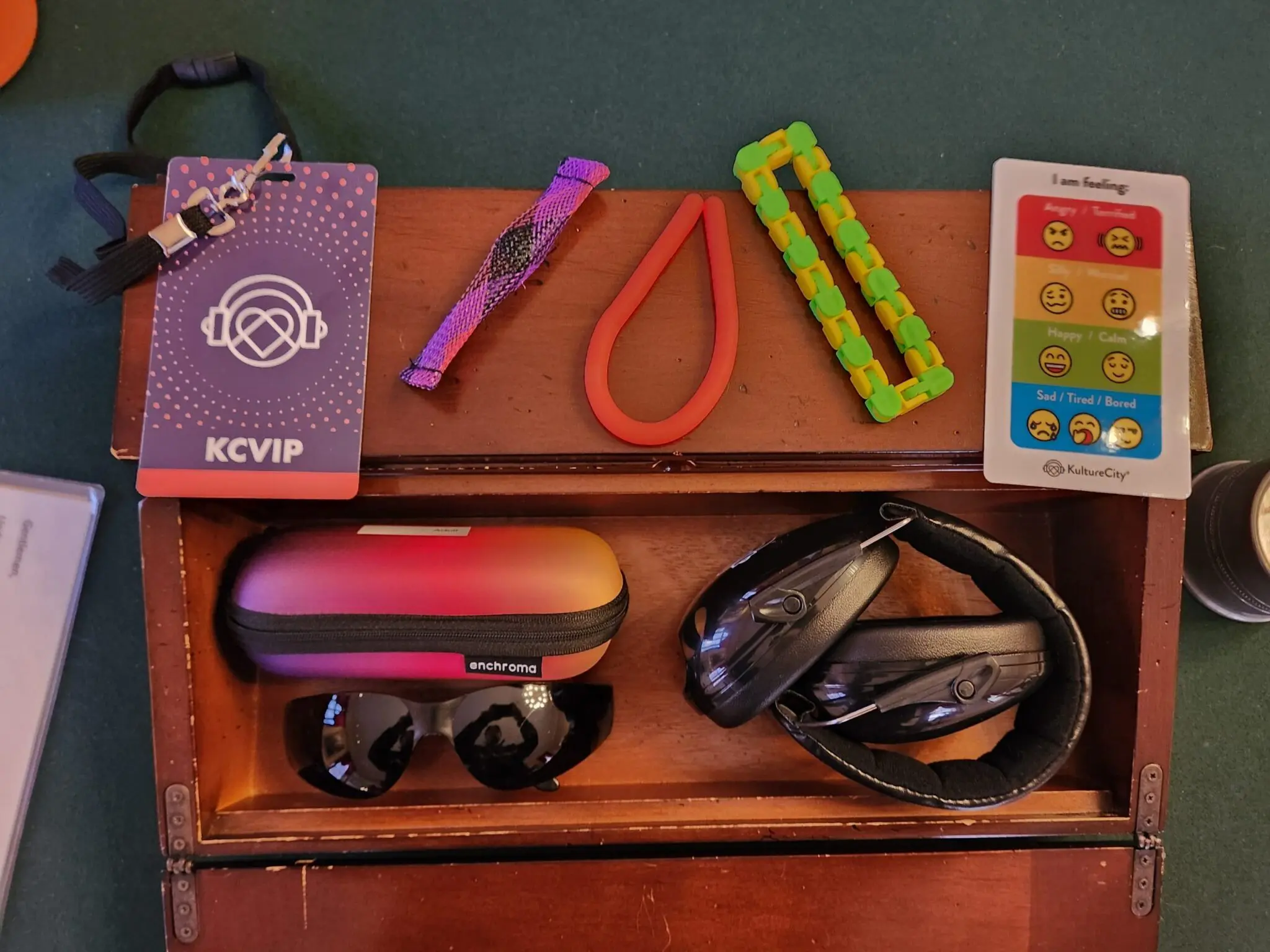
It certainly is one of them. I am happy with and proud of the Spotlight Series. I’m also very proud of the work that we have done as an organization on accessibility. As I mentioned, accessibility within the museum spaces is one of my responsibilities, but I’m also the Accessibility Coordinator for the organization. I work with other departments to make sure that, say, our website or HR matters are accessible. And we’ve been able to launch a variety of great initiatives with KultureCity to have sensory-friendly bags and EnChroma to have glasses for people who are colorblind. We also have large print guides in the galleries and a dozen translated summaries of our sites. And we have audio descriptions of a lot of our gallery content as well. So I’m also very proud of the accessibility work that we’ve done here.
It sounds like you have to work with a lot of people in your role. What leadership values do you think help you the most in this position?
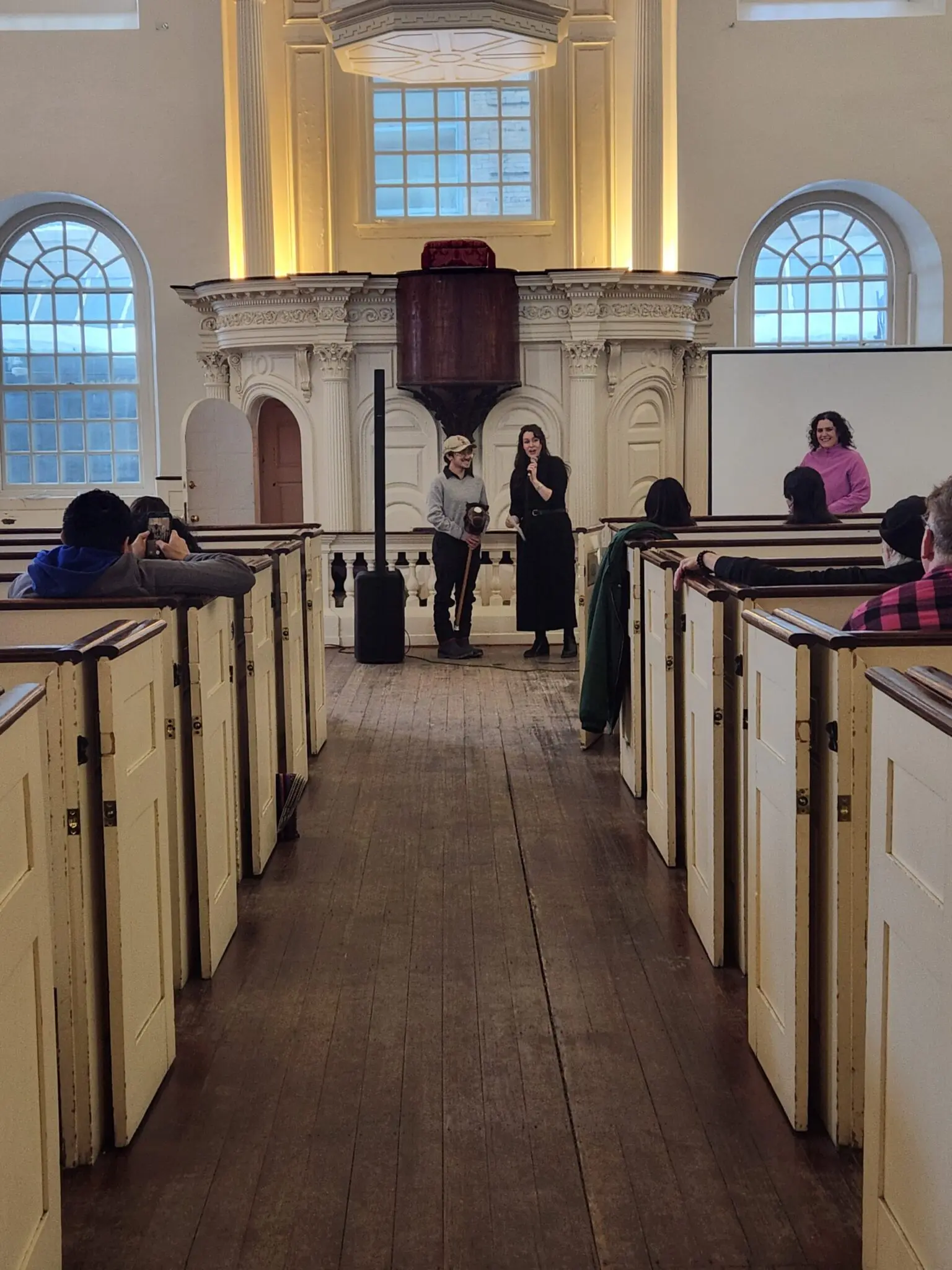
Open mindedness. I think when you’re working with different personalities and different departments, it’s important to be open and sympathetic to the needs and interests of other departments relative to your own, especially when you’re dealing with other directors and leadership within the organization. You don’t want to just dismiss what they are concerned or care about. It’s going to make for a much more collaborative and easy working environment if you try to find a solution that checks as many boxes for everybody as possible. So when it comes to working with my colleagues at the director level, I think open mindedness and collaboration are really important.
When it comes to leadership of my department specifically, there are a couple of values that come to mind. I really value clarity and efficiency of communication. I think it is respectful to my staff to try to be as efficient and clear as possible in my communication so that there aren’t additional questions or confusion. I think order is also important to me. I’m somebody who likes to keep things organized in my mind and try to convey that in my communications. So I think order in terms of consistency, dependability, and that my staff know what to expect when they arrive every day, both from me directly, from our Assistant Manager Megan, and then from our procedures and protocols that detail what to do if a certain situation arises. Order, consistency, reliability, and communication, those are all things that are very important to me in terms of leading the VX Department specifically.
Those all sound like really good traits. So, how did you get into this field?
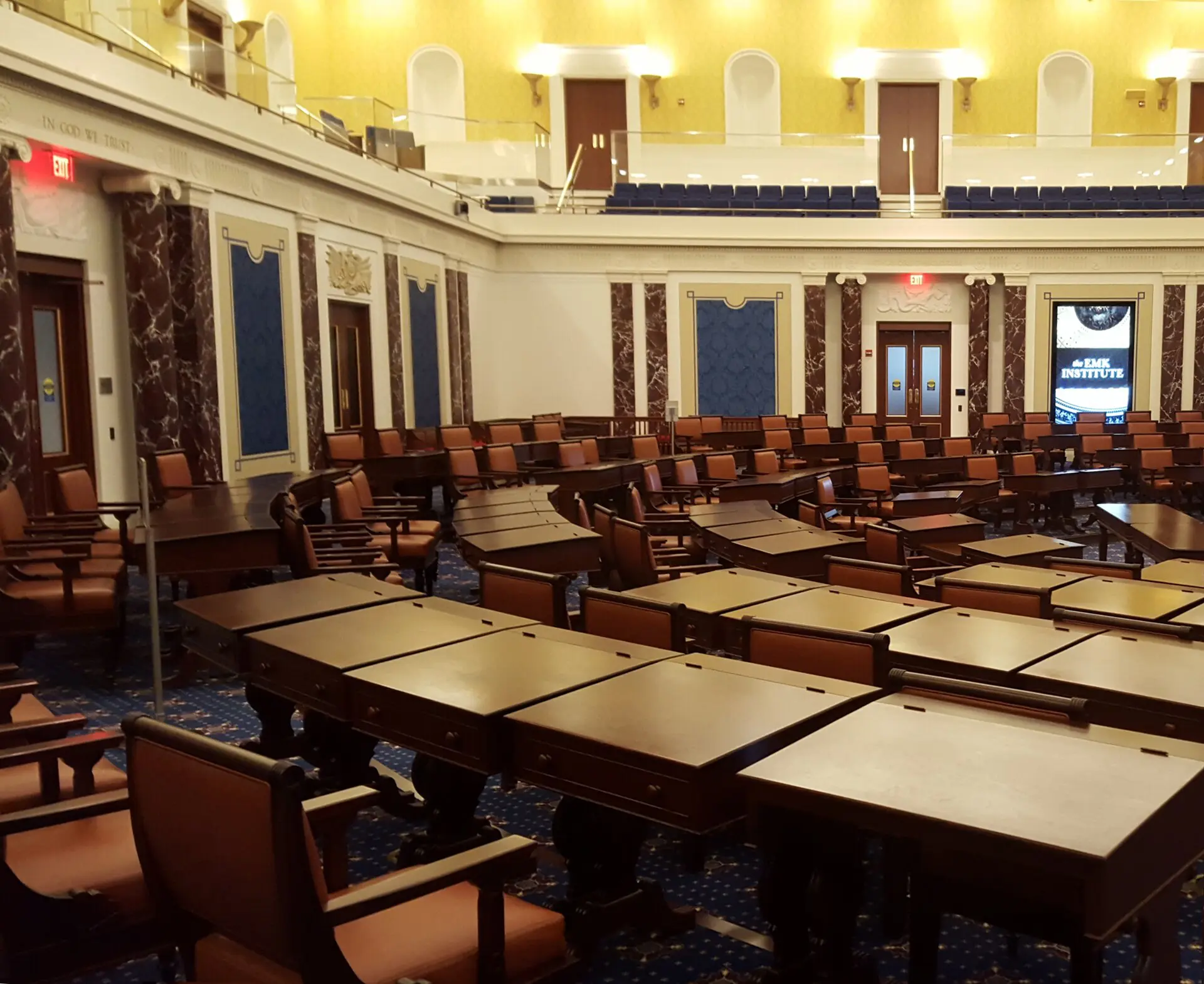
By accident. When I got out of my undergrad program at Suffolk University, I was planning on, and applied to, doctoral programs two years in a row. And seeing how I currently am not “Doctor Rocco,” I think you can understand how that went for me. Given that I was unemployed around 2013, after a couple rounds of this application process, I figured I’d probably have to find a job somewhere. And so I applied at the Concord Museum, and they graciously offered me a position on their staff. And then shortly after that, I joined the staff at the Old North Church in Boston.
I worked at both of those places for a couple of years until I learned about a new organization opening down on Columbia Point called the Edward M. Kennedy Institute for the United States Senate. So I applied for a position there and was also accepted. That’s where I met our Senior Director of Interpretation and Future Projects, Matthew (Matt) Wilding, and he’s the one that hired me. We worked together there for three years until he left, and I worked there for another three until Matt called me up in early 2021 to let me know that he was now working at Revolutionary Spaces. They were planning on reopening the sites after 2020, and he wanted me to be the Visitor Experience Manager. And so I decided at that point to make the leap from the Institute to Revolutionary Spaces.
You said that your entry to the field is a little unusual. Do you have any recommendations for anyone who is interested in going into the public history field or maybe working at a museum?
If you are interested in it but you haven’t done it yet, then just apply to various museums. It will depend on one’s interest—if you’re a history major or an art history major or science major. Although, I think especially if you’re very early in your career or haven’t even started, there probably is some value to working in a few different types of museums, whatever your course of study is, just to see how different museums operate. But let’s say for history, start applying to places even when you’re in college, if you have the time and bandwidth to be working in places when you’re in school, as it’ll just give you that much more experience by the time you graduate. Just apply. It doesn’t hurt to get interview experience even if you don’t get positions the first couple of times. Don’t be discouraged. You never know what’s going on inside of an organization that determines their decision making. Just stay resilient and keep applying to get your foot in the door somewhere.
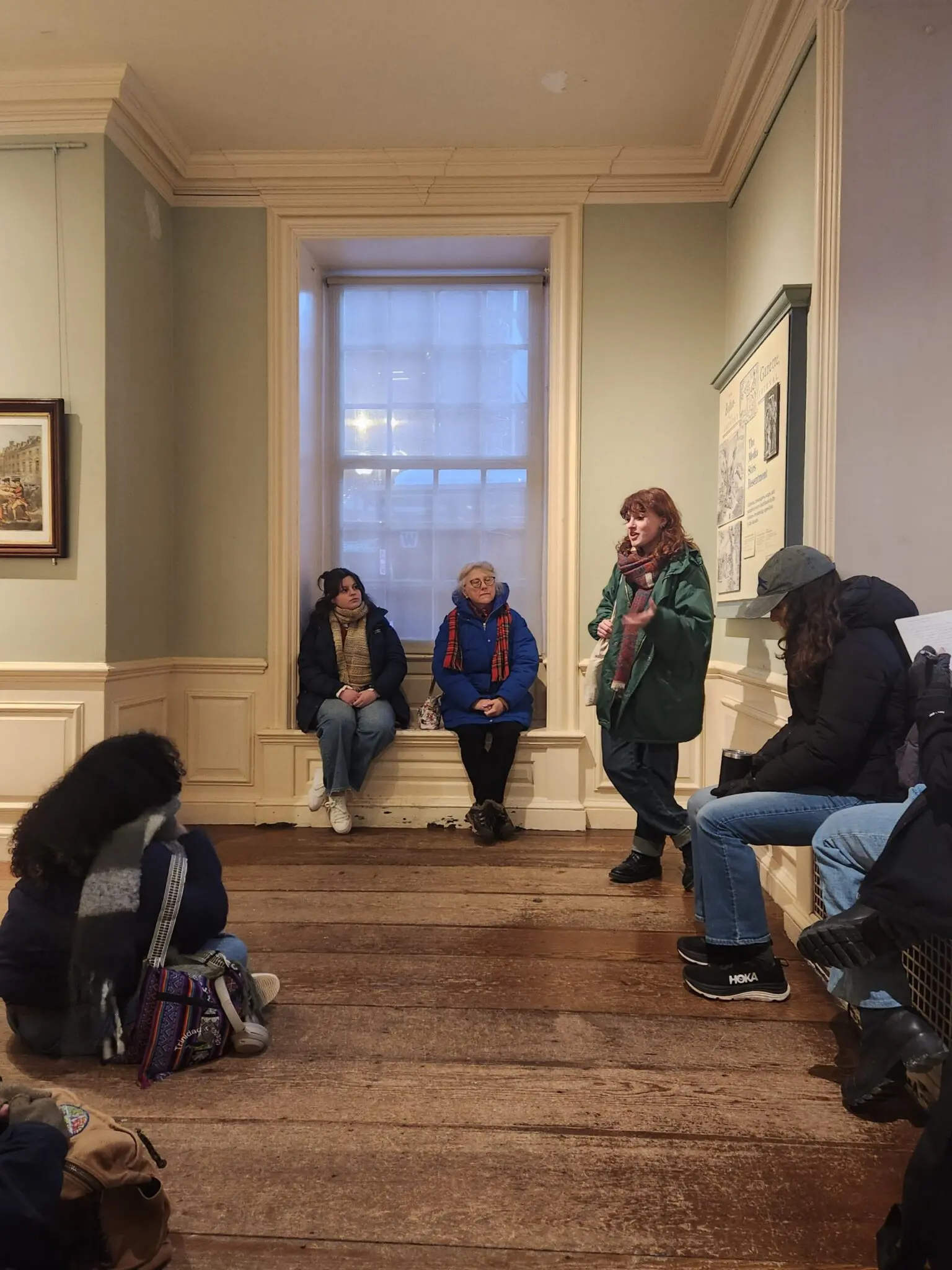
Once in, the best piece of advice that I could give to somebody is to prove your value to your supervisors, your managers, the director of your department by doing things that maybe aren’t within the immediate scope of your job description, but show what you are capable of doing. Go above and beyond. If you have a good manager, if you have good supervisors and a good director, then going above and beyond in that way, producing things that the organization needs, whether you’ve been asked to do it or not. It’s going to demonstrate a degree of ambition, of initiative, and capability that again, if you’re in a good organization, is hopefully recognized and eventually rewarded through internal promotion, if possible. But one should be prepared depending on the size of their organization that that might not happen either right away or at all.
If it’s a smaller organization, it might be very hard to rise. But at the very least, hopefully, you’ll gain allies and advocates that are higher up in your organization who carry titles of significance like manager, like director, maybe even the executive director of your organization, if you get on their radar. And if you can include very glowing letters of recommendation from those people for other jobs that you apply for based on the work that you did when you were at your organization, then that’ll be to your benefit. So don’t just settle for the job description. If you are interested in advancement, look for ways to go above and beyond. Ask your manager, your director, where is there a need? Where is there a gap? Where can I help? That way, they’ll know that you’re the kind of staff member who is proactive and wants to do those tasks instead of one who needs to be asked or doesn’t do it at all.
Nice! Well, it sounds like the Visitor Experience Staff are in good hands. Thank you so much for meeting with me today.
Thank you, Sam.
We hope this was an interesting look into just one of the many roles that keep our museums running. If you’re interested in exploring a career in the museum field, maybe this will be the push you need to apply.
Especially interested in working at the Old State House and Old South Meeting House? Check out our careers page for current open positions, sign up for our email list, and follow us on social media @revspaces for more behind the scenes content!